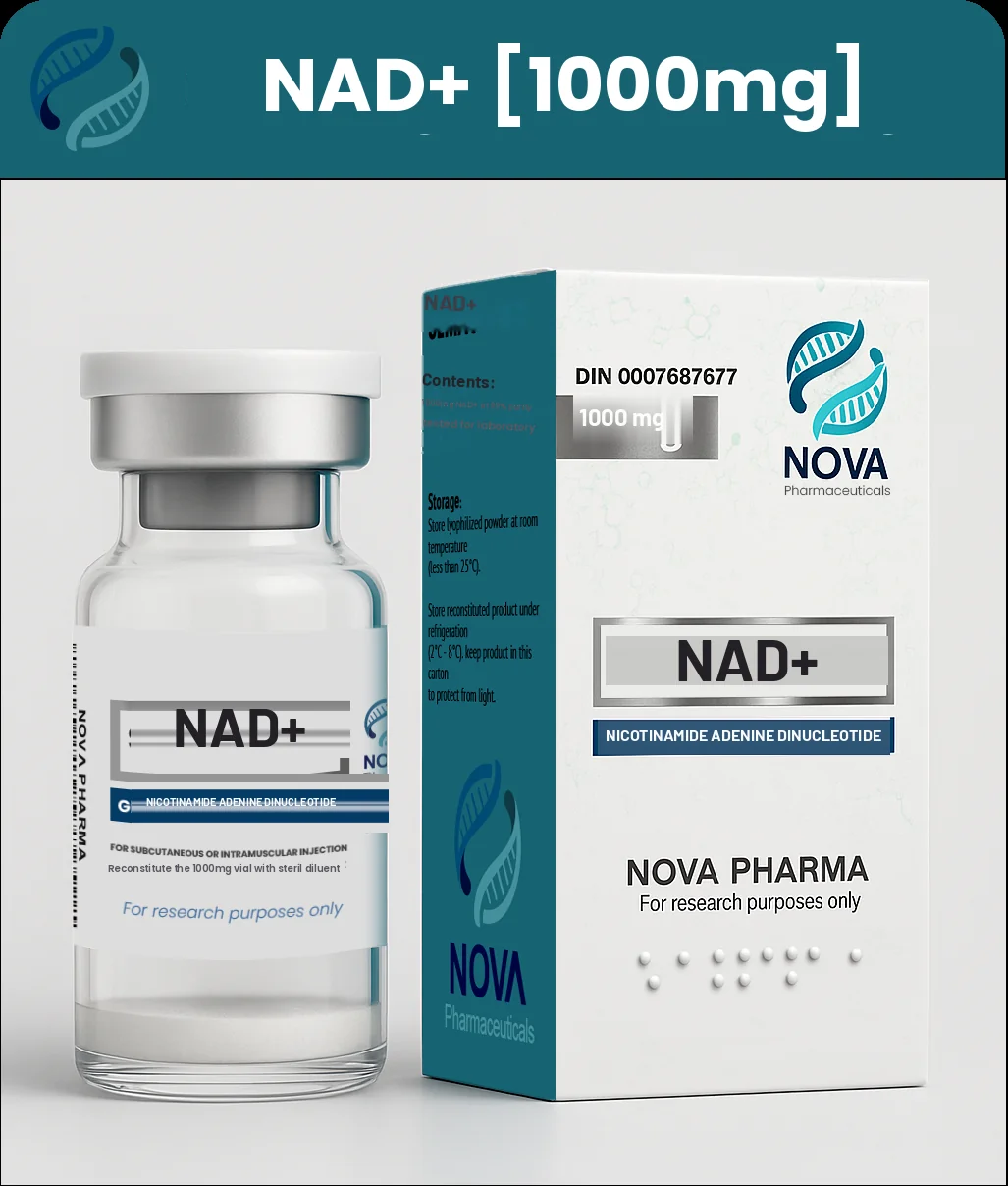
NAD+ 1000mg
- Pureté
- 99,5 %+
- Voie
- Injection sous-cutanée
Nicotinamide Adénine Dinucléotide — molécule d'énergie cellulaire et de longévité. Restaure la fonction mitochondriale et la réparation de l'ADN.
Économisez 10 % lorsque vous payez en crypto (BTC, ETH, USDT).
Livraison gratuite pour les commandes de plus de 250 $
Achetez-en 5+ pour 5 % · 10+ pour 10 % — appliqué automatiquement au paiement.
Produit réfrigéré ? Expédié dans un emballage isotherme avec bloc réfrigérant. Vous recevez une photo de l'emballage dans les 4 heures suivant l'expédition.
- Janoshik Vérifié
- Le jour même avant 16 h HE
- Livraison gratuite plus de 250 $
- Expédié au Canada adresses canadiennes seulement
- Emballage discret. Boîte neutre, expéditeur neutre — aucune mention de produit ou de marque.
- Garantie de réexpédition. Les colis perdus ou saisis sont réexpédiés une fois, sans frais.
- Remboursement + retest frais couverts si un lot échoue à notre seuil de pureté
APERÇU
À propos de NAD+ 1000mg
Nicotinamide Adénine Dinucléotide — molécule d'énergie cellulaire et de longévité. Restaure la fonction mitochondriale et la réparation de l'ADN.
NAD+ (Nicotinamide Adenine Dinucleotide, oxidized form) is a coenzyme present in every living cell and essential for over 500 enzymatic reactions in human biology. It is not a peptide in the strict sense but is included in the longevity peptide catalog due to its central role in cellular energy metabolism and its prominence in aging research. NAD+ exists in two forms: the oxidized form (NAD+) that serves as an electron acceptor in catabolic reactions, and the reduced form (NADH) that donates electrons to the mitochondrial electron transport chain for ATP production. Intracellular NAD+ levels decline approximately 50% between ages 40 and 60, and this decline has been identified as a key driver of age-related metabolic dysfunction.
NAD+ functions as an essential substrate for three families of enzymes that are central to cellular maintenance: sirtuins (SIRT1-7), which regulate gene expression, DNA repair, and metabolic homeostasis; poly-ADP-ribose polymerases (PARPs), which repair single-strand and double-strand DNA breaks; and CD38/CD157 ectoenzymes, which regulate cellular calcium signaling and immune function. All three enzyme families consume NAD+ as a substrate (not just a cofactor), meaning they deplete the cellular NAD+ pool with every reaction. As NAD+ levels decline with age, competition between sirtuins and PARPs for the shrinking NAD+ supply forces the cell into triage — prioritizing acute DNA repair (PARPs) at the expense of the long-term maintenance functions (sirtuins) that prevent metabolic decline.
Research on NAD+ restoration has produced compelling results across multiple domains. Studies demonstrate that raising NAD+ levels improves mitochondrial function, enhances DNA repair capacity, restores sirtuin activity, improves insulin sensitivity, reduces age-related inflammation (inflammaging), and extends healthspan in animal models. Clinical trials of NAD+ precursors (NMN, NR) have shown improvements in muscle function, cardiovascular markers, and metabolic parameters in human subjects. Direct intravenous NAD+ administration — which the lyophilized powder supports after reconstitution — bypasses the precursor conversion steps and delivers the active molecule directly.
NAD+ is suited for researchers investigating cellular energetics, mitochondrial function, DNA repair, sirtuin biology, and age-related metabolic decline. It is a cornerstone compound for comprehensive longevity protocols and pairs synergistically with SS-31 (mitochondrial membrane stabilization) and Epitalon (telomere maintenance) for multi-pathway anti-aging research.
Reconstitute the 1000mg vial with 10ml bacteriostatic water (yielding 100mg/ml). NAD+ can be administered via subcutaneous injection or intravenous infusion, though subcutaneous is the most common research route for lyophilized formulations. Typical subcutaneous research dosing ranges from 50-200mg per day. NAD+ has a plasma half-life of approximately 30-45 minutes, but intracellular effects persist as the molecule is phosphorylated and incorporated into cellular metabolic pools. Store reconstituted solution at 2-8C and protect from light — NAD+ is light-sensitive and will degrade if exposed to UV. Lyophilized powder should be stored at -20C for long-term preservation. The 1000mg vial provides 5-20 days of research at standard subcutaneous dosing.
Compléter le protocole
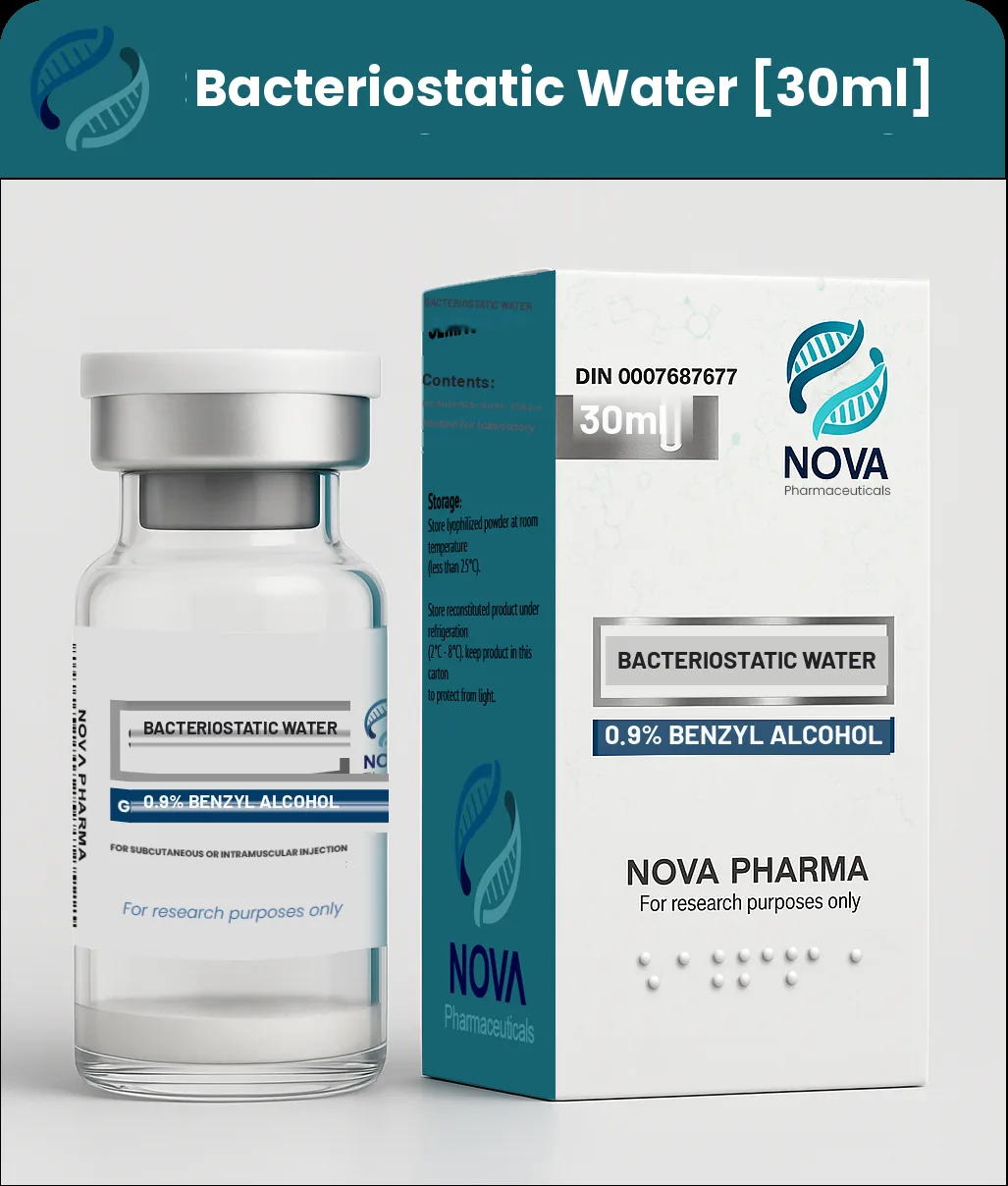
Bacteriostatic Water 30ml
30ml vial · 0.9% benzyl alcohol
Achetez 5+ : 5 % · 10+ : 10 %
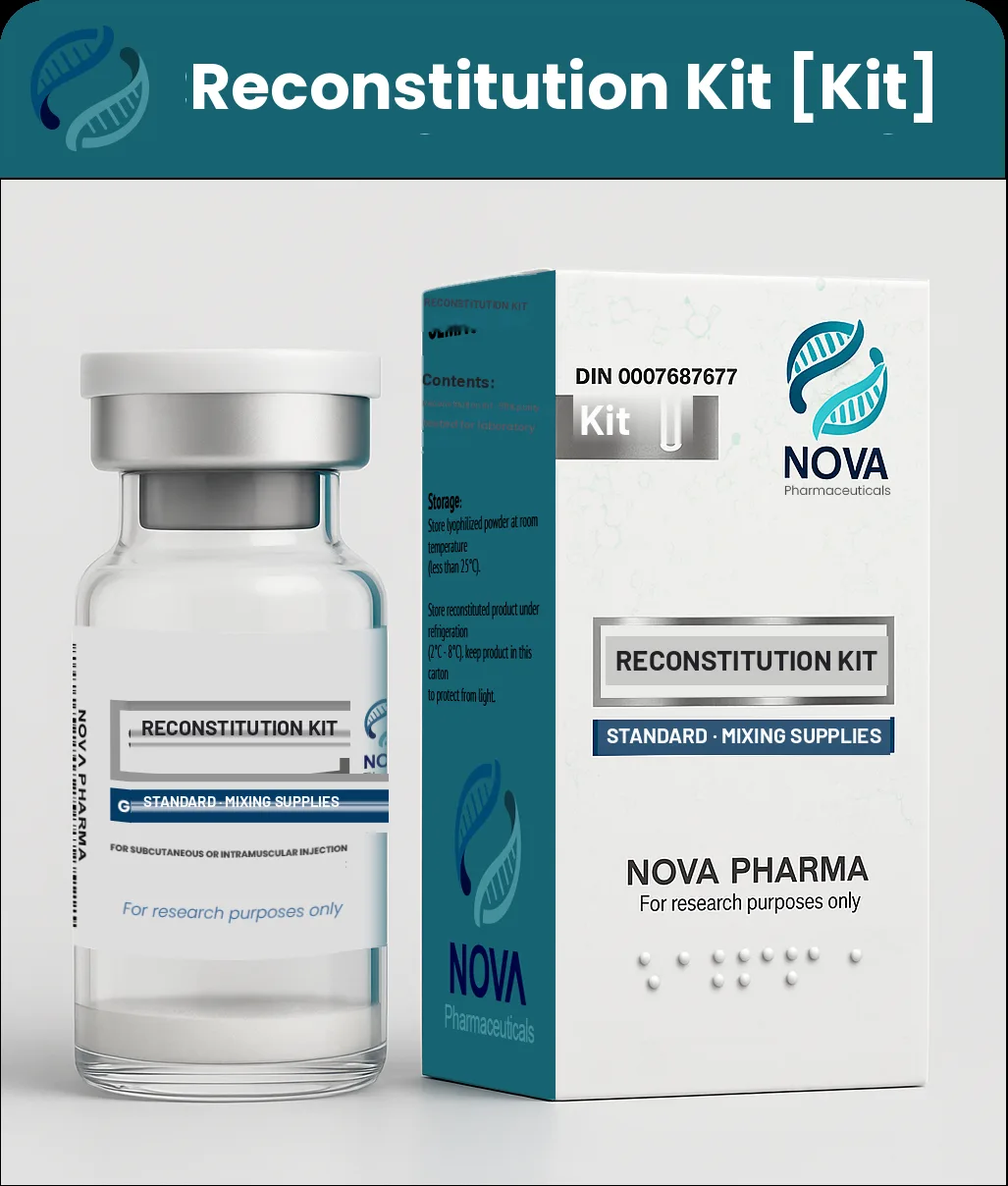
Reconstitution Kit — Standard
30ml bac water · 10 syringes · mixing syringe · swabs
Achetez 5+ : 5 % · 10+ : 10 %
Dans la même catégorie
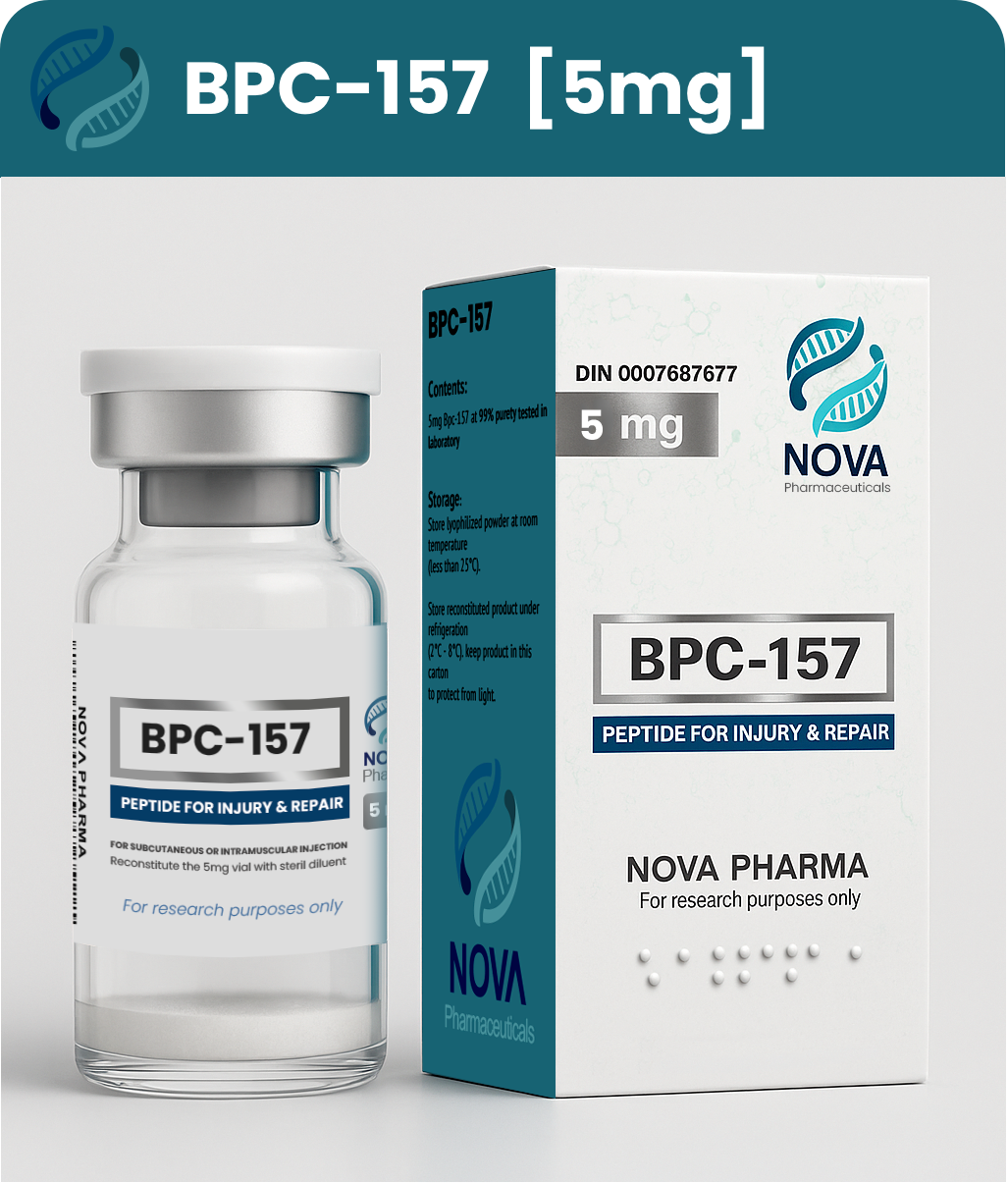
BPC-157
5mg
Achetez 5+ : 5 % · 10+ : 10 %
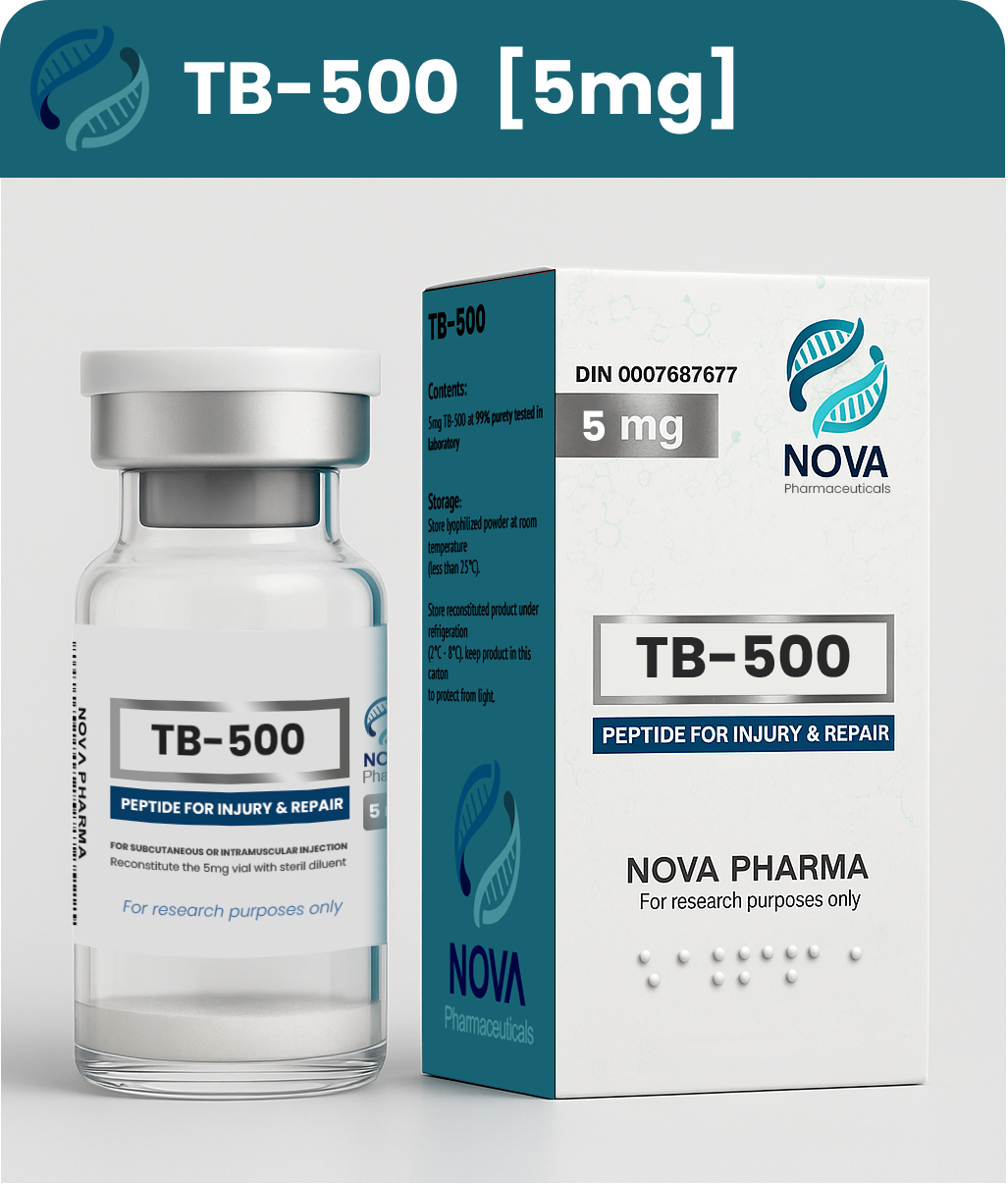
TB-500
5mg
Achetez 5+ : 5 % · 10+ : 10 %
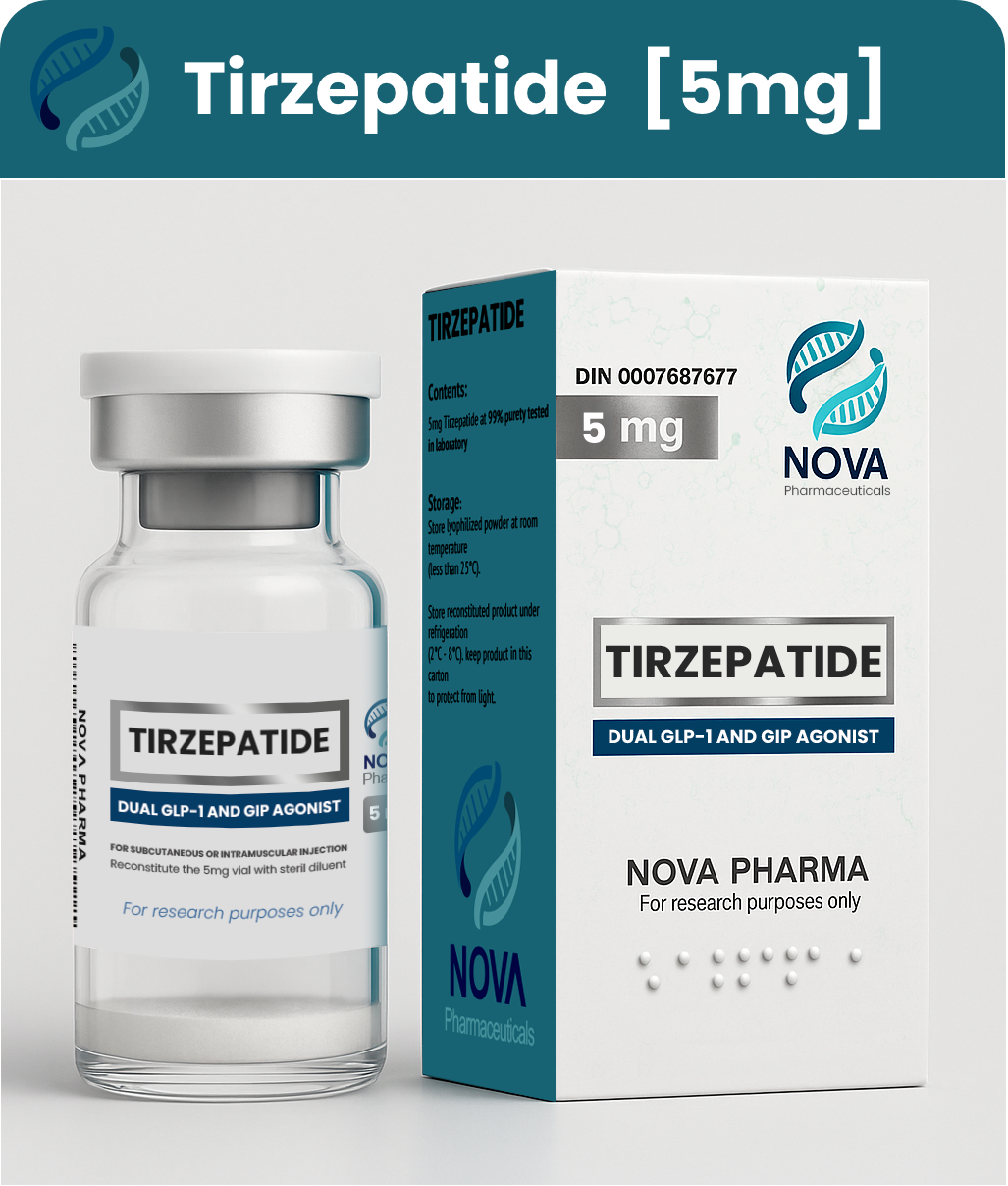
Tirzepatide
5mg
Achetez 5+ : 5 % · 10+ : 10 %
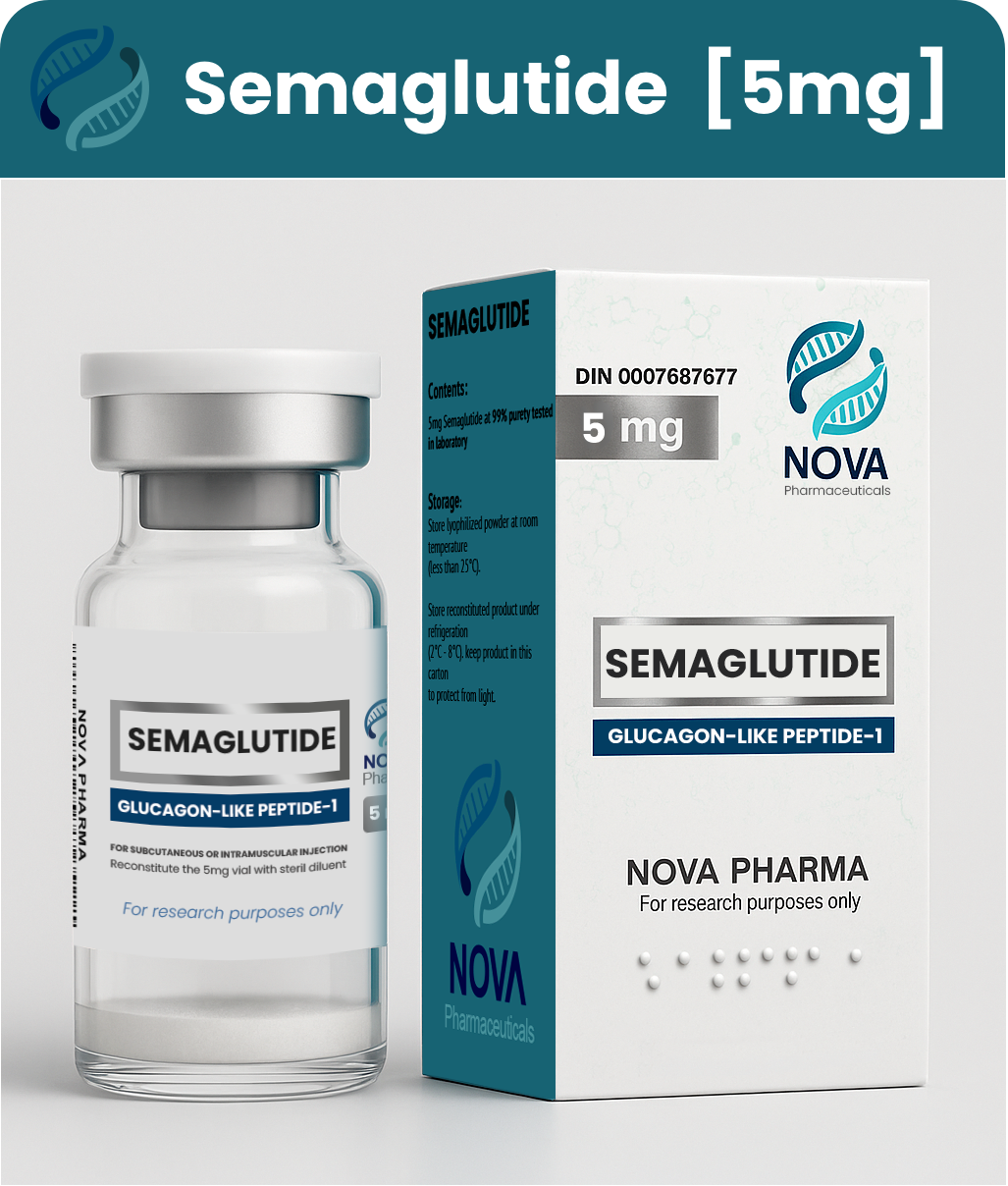
Semaglutide
5mg
Achetez 5+ : 5 % · 10+ : 10 %
Les chercheurs consultent aussi
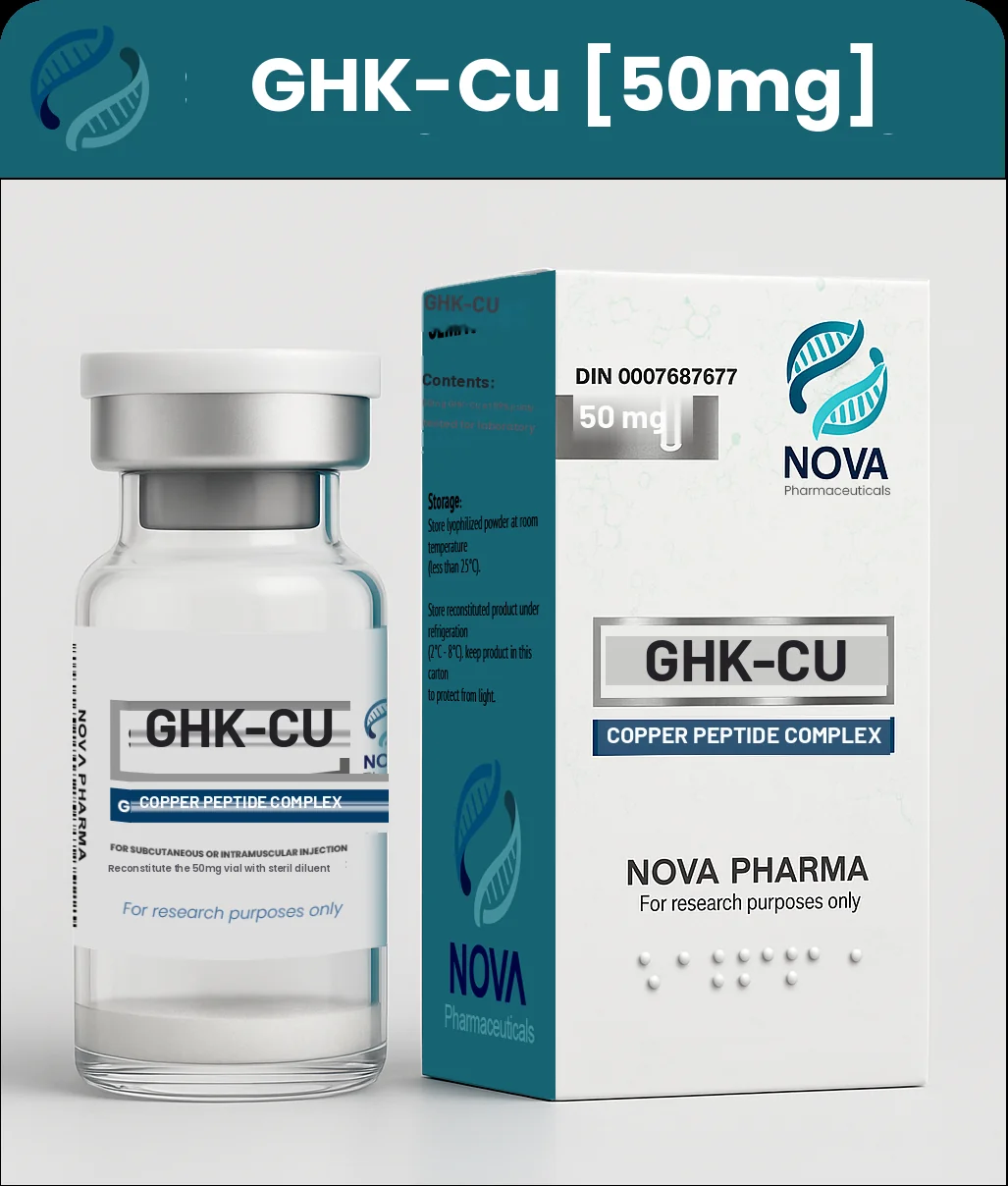
GHK-Cu
50mg
Achetez 5+ : 5 % · 10+ : 10 %
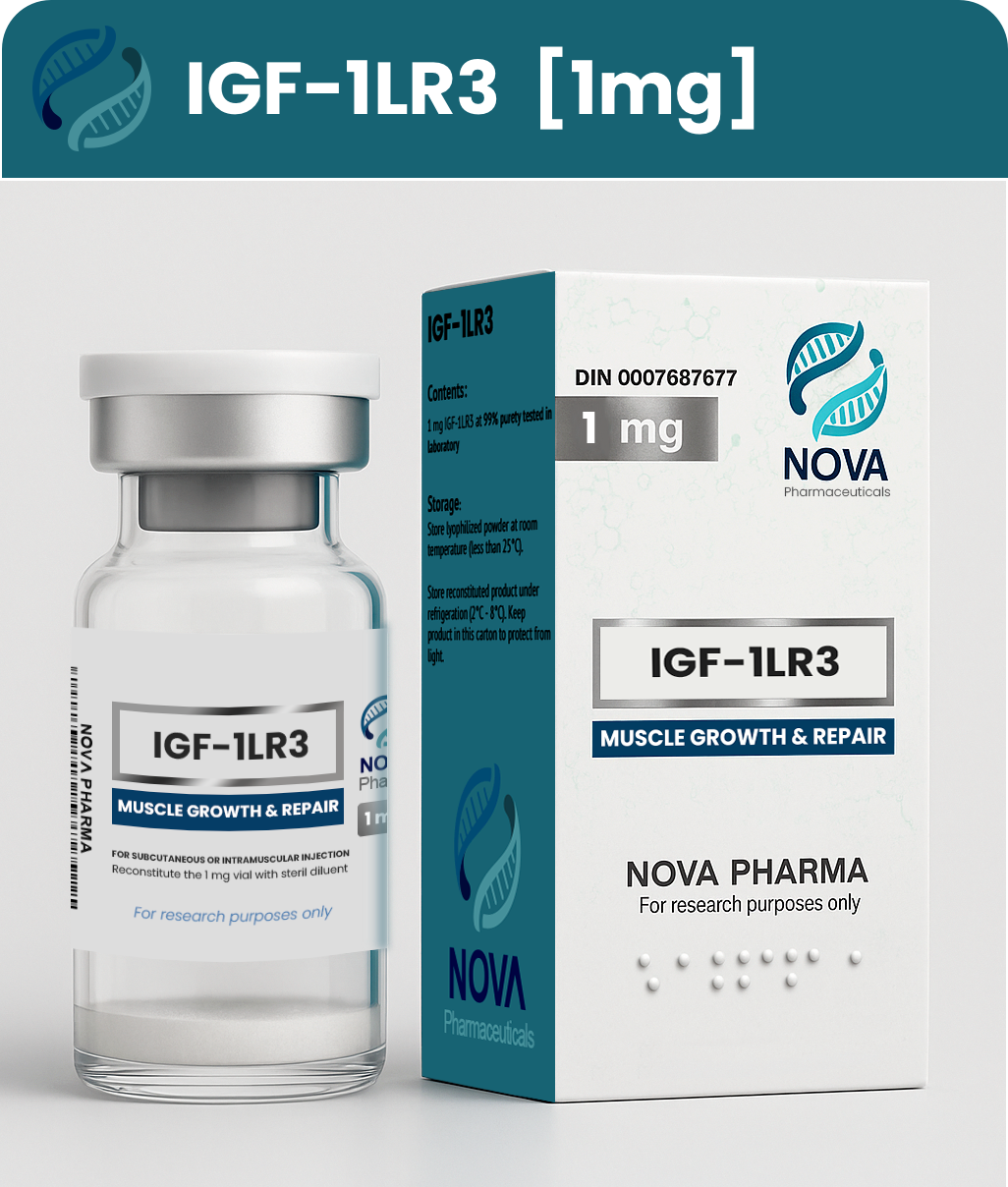
IGF-1 LR3
1mg
Achetez 5+ : 5 % · 10+ : 10 %
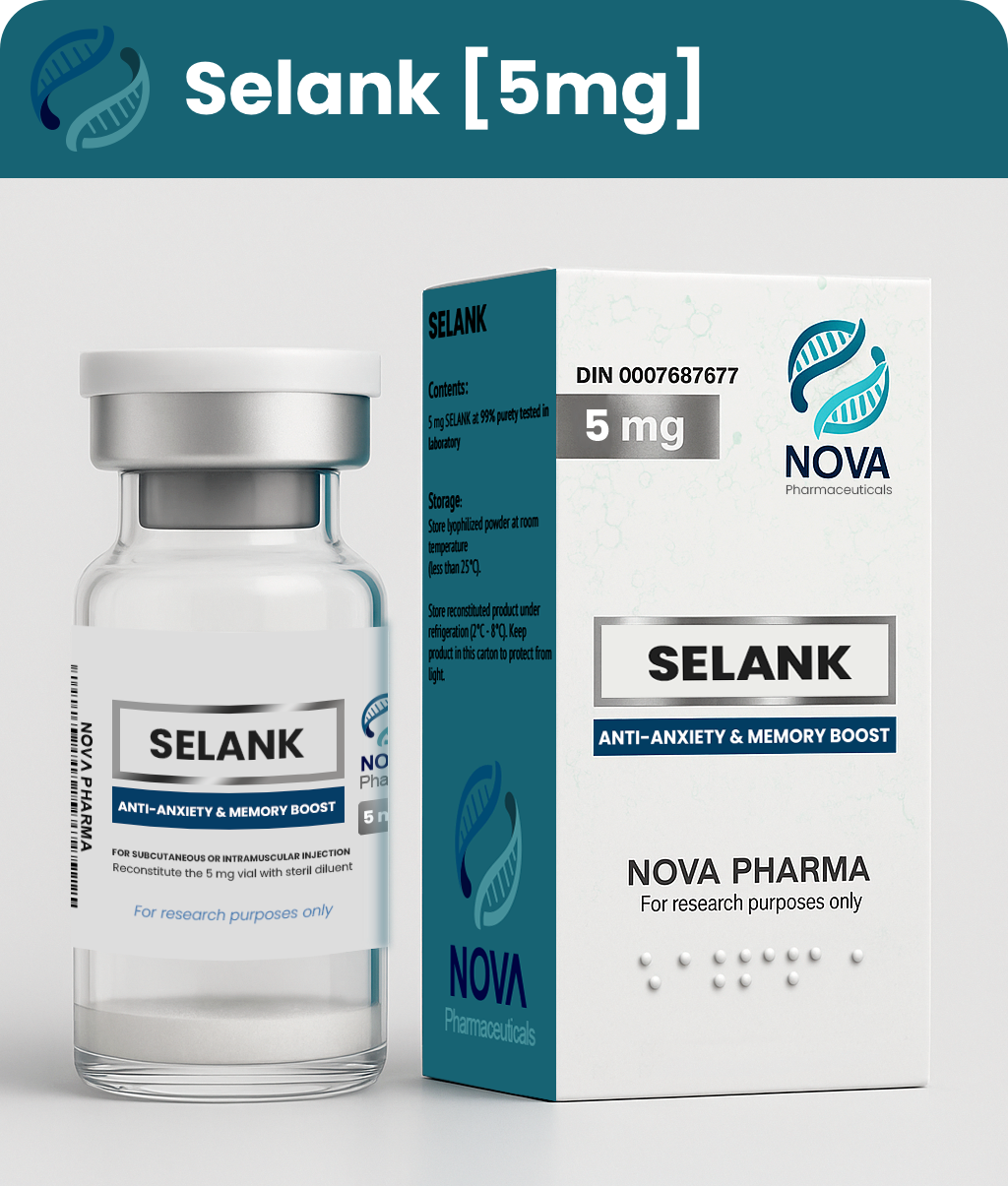
Selank
5mg
Achetez 5+ : 5 % · 10+ : 10 %
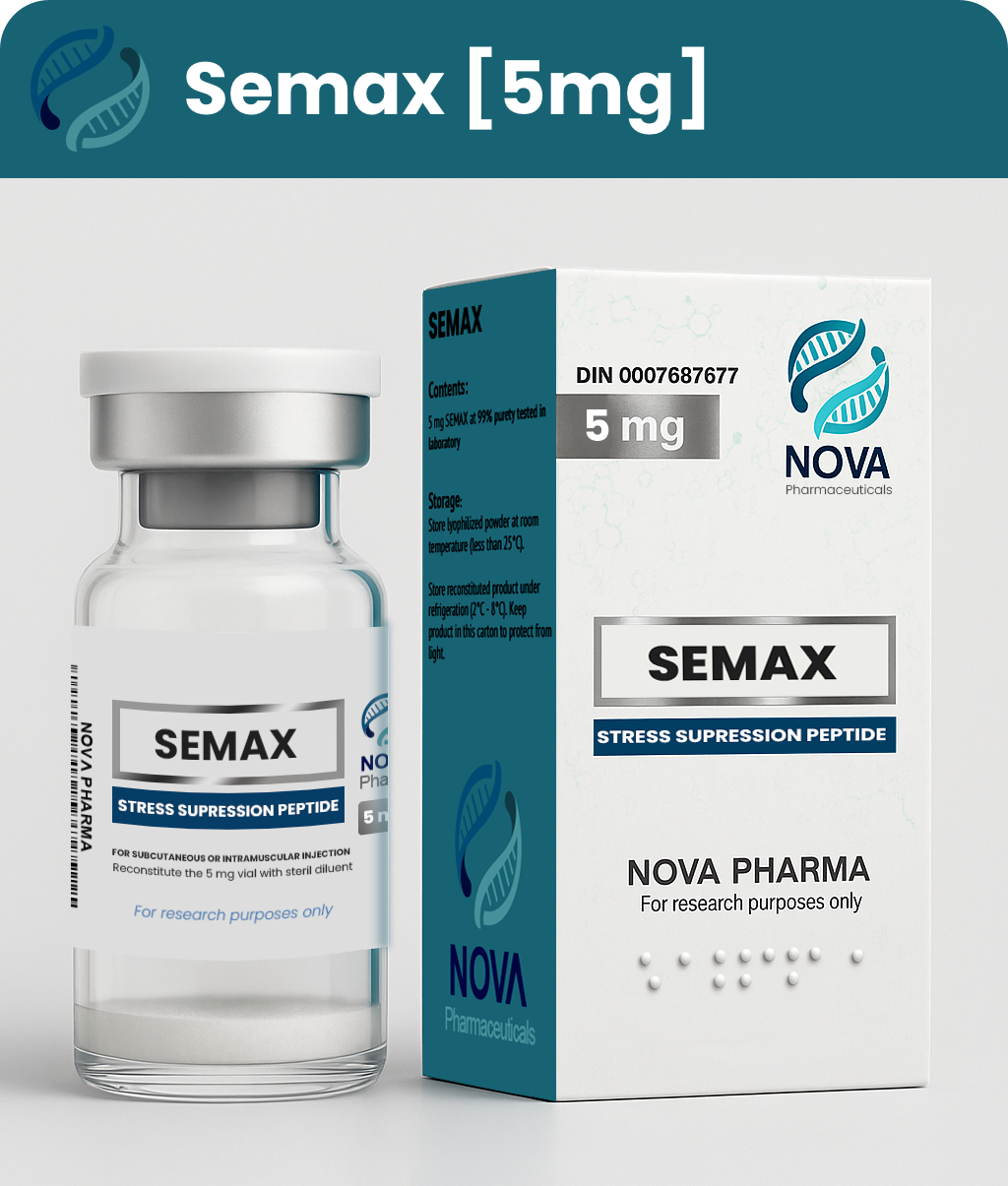
Semax
5mg
Achetez 5+ : 5 % · 10+ : 10 %
Calculez votre dose
Obtenez les unités exactes à prélever pour NAD+ 1000mg — flacon, eau, dose.
Vérification indépendante en laboratoire
Avis de recherche
Pour usage de recherche et de laboratoire uniquement. Non destiné à la consommation humaine ou vétérinaire. Nova Pharma vend à des chercheurs qualifiés majeurs et expédie uniquement aux adresses canadiennes. Voir avis de non-responsabilité et conditions.